
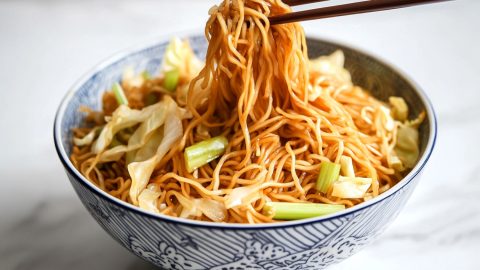

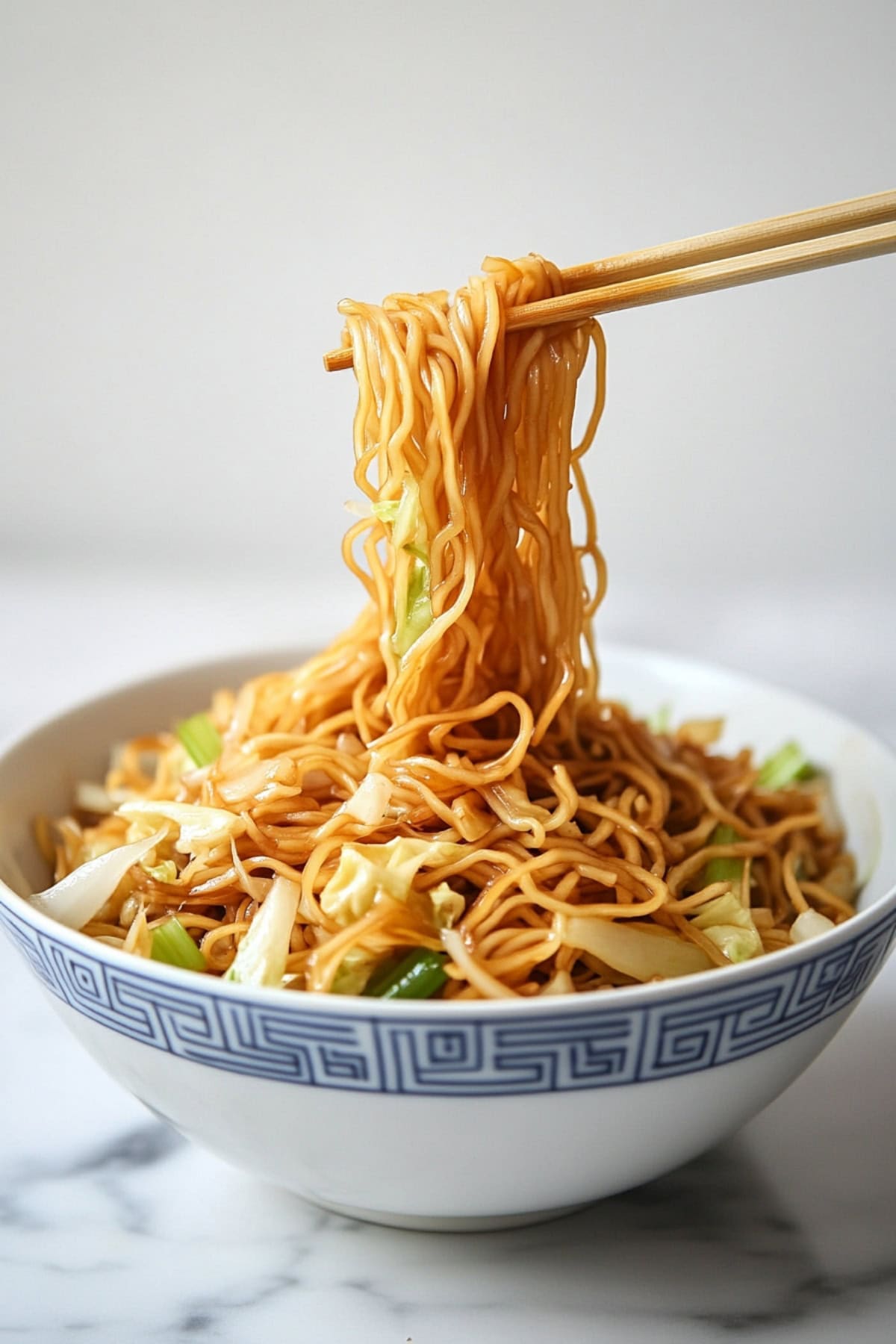
Instead of ordering takeout, make this easy Panda Express chow mein at home! This savory noodle dish hits all the right notes but costs a lot less.
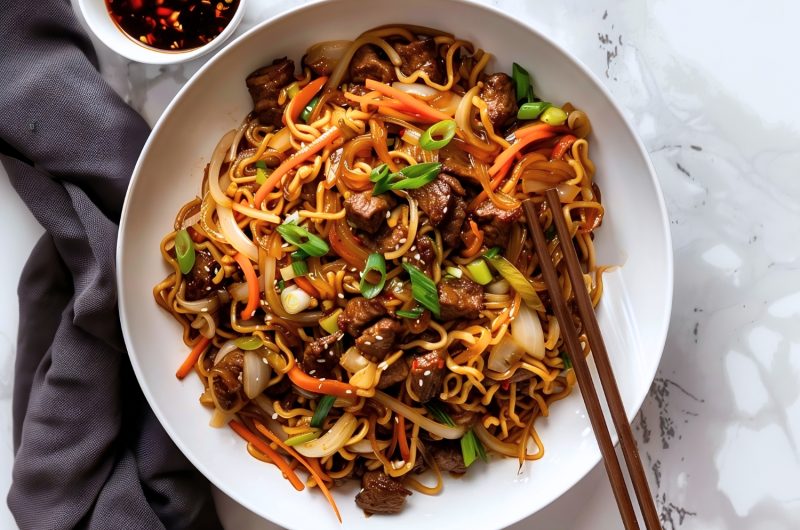
There’s something so satisfying about the tender-crisp veggies and slightly caramelized noodles. They soak up every bit of the signature umami-rich sauce!
WANT TO SAVE THIS RECIPE?
Serve it alongside your favorite main course, or enjoy it solo.
This recipe makes it easy to create your favorite fast-food experience in your own kitchen.
Why You’ll Love This Panda Express Chow Mein
Quick & Easy: This Panda Express chow mein copycat recipe is a breeze to whip up. It takes less than 30 minutes from start to finish. It’s perfect for those busy weeknights when you crave takeout but don’t want to leave the house.
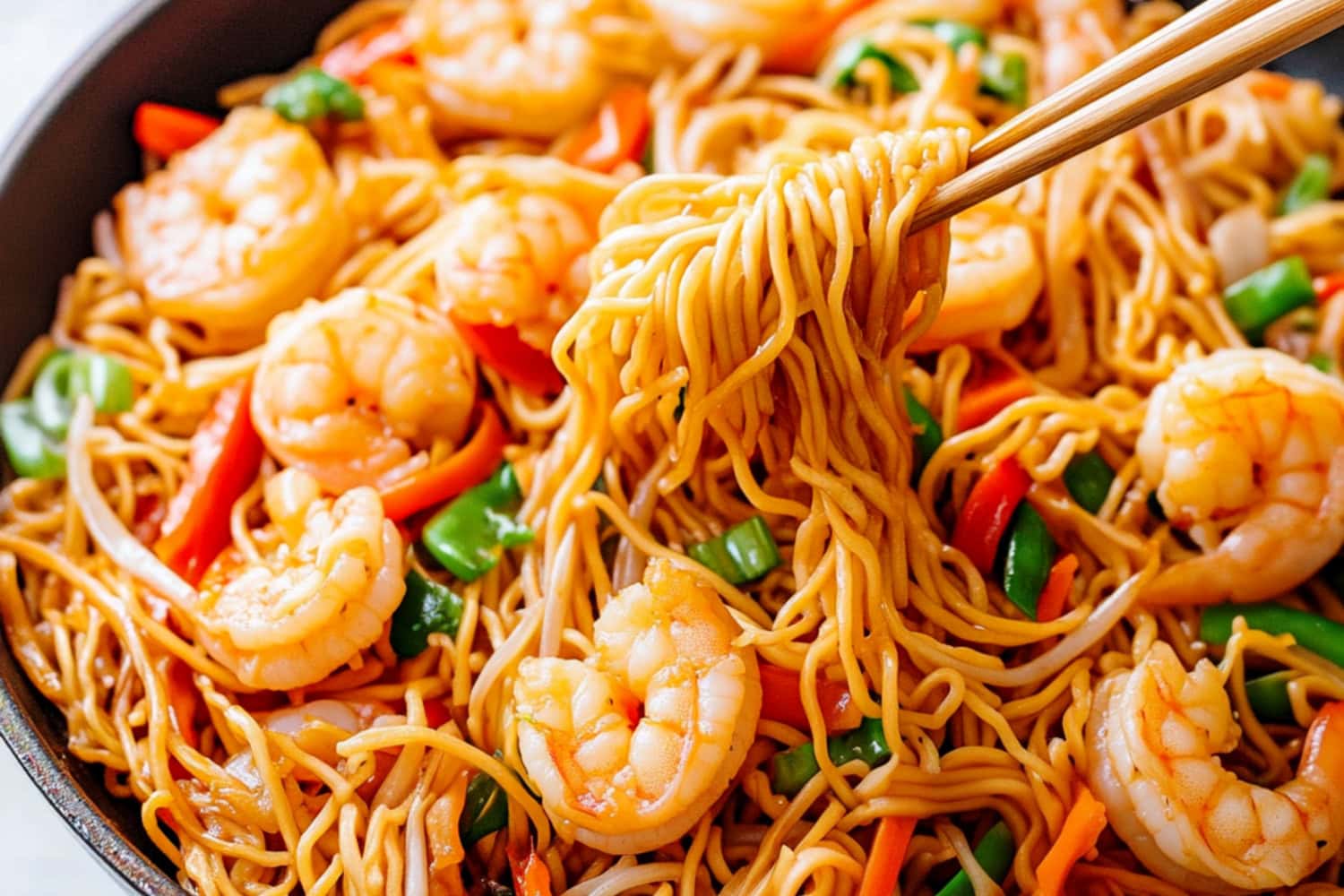
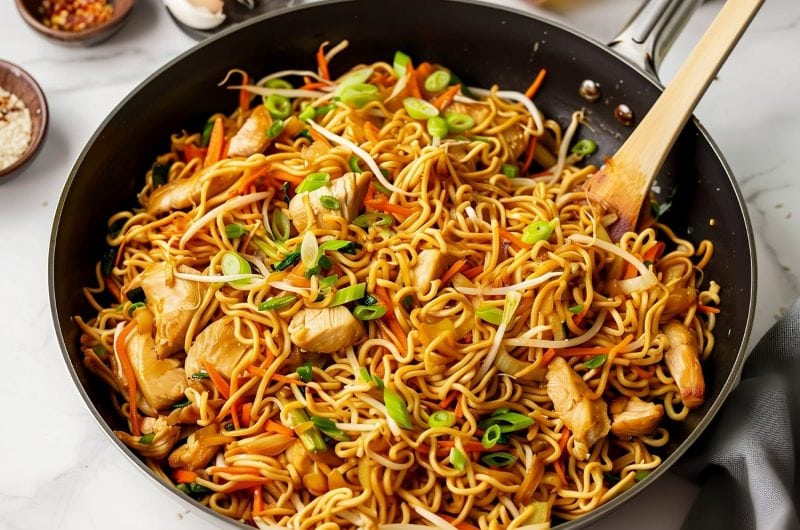
Customizable Comfort: The beauty of this dish lies in its versatility. You can easily add your favorite proteins like chicken, shrimp, or tofu. Or simply toss in extra veggies to make it your own. It’s a blank canvas for culinary creativity!
Crispy & Chewy Texture: The combination of slightly chewy noodles and crisp-tender vegetables creates an irresistible texture. It’s just like the restaurant version, only less expensive.
Leftover Magic: These noodles taste even better the next day as the flavors continue to meld overnight. Pack them for lunch, and you’ll be the envy of the office break room.
Ingredients
- Fresh Chow Mein Noodles: These yellow wheat noodles are slightly chewy and perfect for stir-frying. Find fresh ones in the refrigerated section of grocery stores. (Or Asian markets.) If you can’t find them, use Yakisoba noodles instead.
- Vegetable Oil: A neutral-flavored oil with a high smoke point. It’s ideal for high-heat stir-frying.
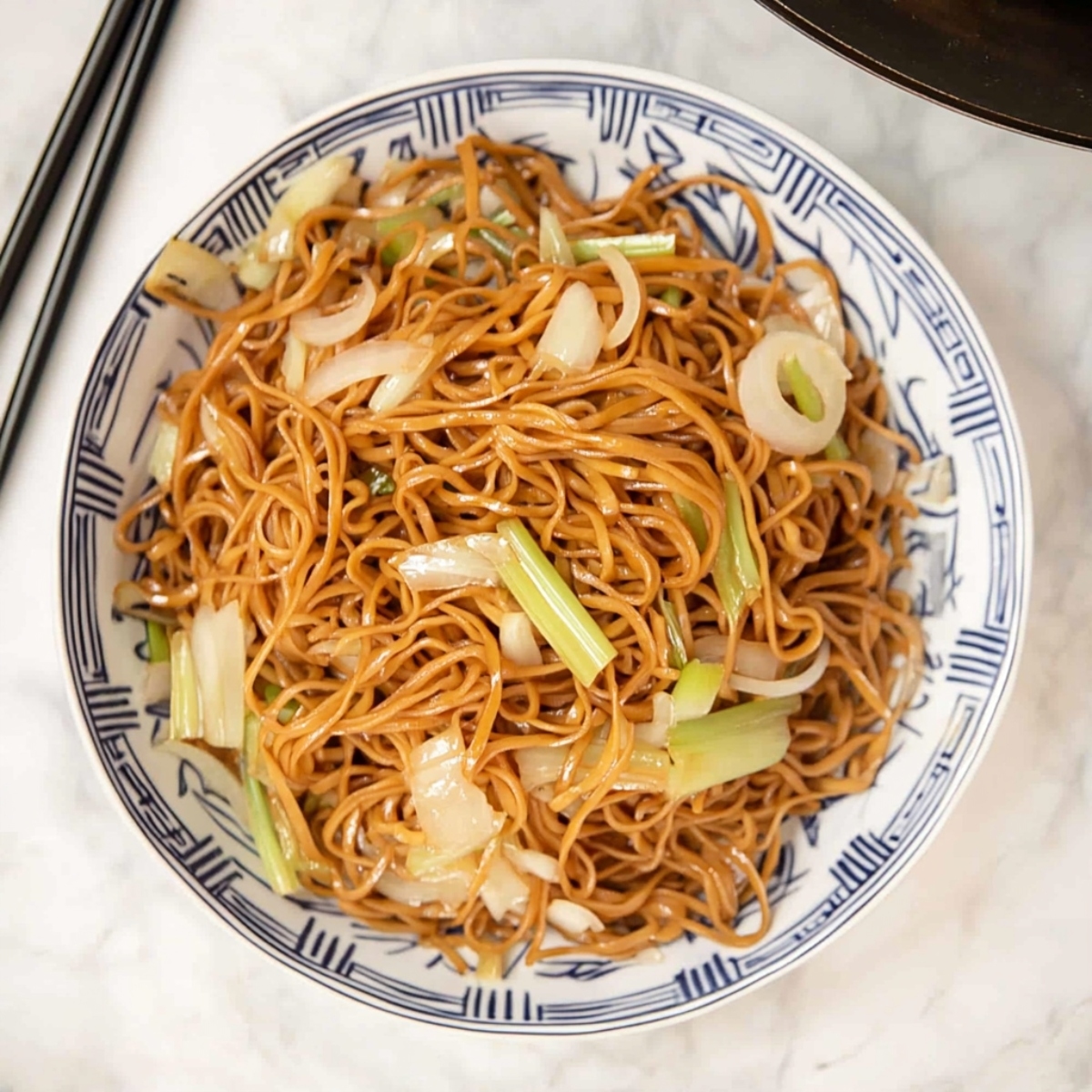
- Onion, Celery, & Cabbage: The classic trio gives Panda Express chow mein its signature crunch and flavor. Cabbage adds sweetness, onions provide aromatic base notes, and celery adds texture.
- Garlic & Ginger: Fresh aromatics create the foundational Asian flavor profile. Garlic adds pungency, while ginger brings warmth and a slight spiciness.
- Soy Sauce: This dark, fermented sauce provides the dish with saltiness and umami flavor.
- Oyster Sauce: Rich and thick, it adds complex savory depths and a slight sweetness.
- Brown Sugar: Balances the salty components and helps caramelize the noodles.
- Sesame Oil: This toasted oil adds a nutty aroma and enhances the dish’s overall flavor.
- White Pepper: It provides a clean, sharp heat characteristic of Chinese cooking. It’s more delicate than black pepper.
How to Make Panda Express Chow Mein
Like typical stir-fry recipes, this one comes together quickly and without any fuss.
1. Prepare the sauce. Whisk the soy sauce, oyster sauce, brown sugar, sesame oil, and white pepper in a bowl. Set aside.
2. Cook the noodles. Boil them until slightly undercooked. Then, drain them, rinse them with cold water, and set aside.
3. Stir-fry veggies. Cook the onions and celery for 1 to 2 minutes in oil. Then, add the cabbage and stir-fry for another minute.
4. Add the aromatics. Push the veggies to one side of the wok and add the garlic and ginger. Stir-fry for 30 seconds until fragrant.
5. Combine. Add the noodles and sauce to the wok. Toss well to coat. Cook for 2 to 3 minutes until heated through. (The noodles should absorb some of the sauce.)
6. Adjust and serve. Remove the dish from heat and taste it. Adjust seasonings if needed and serve immediately. Enjoy!
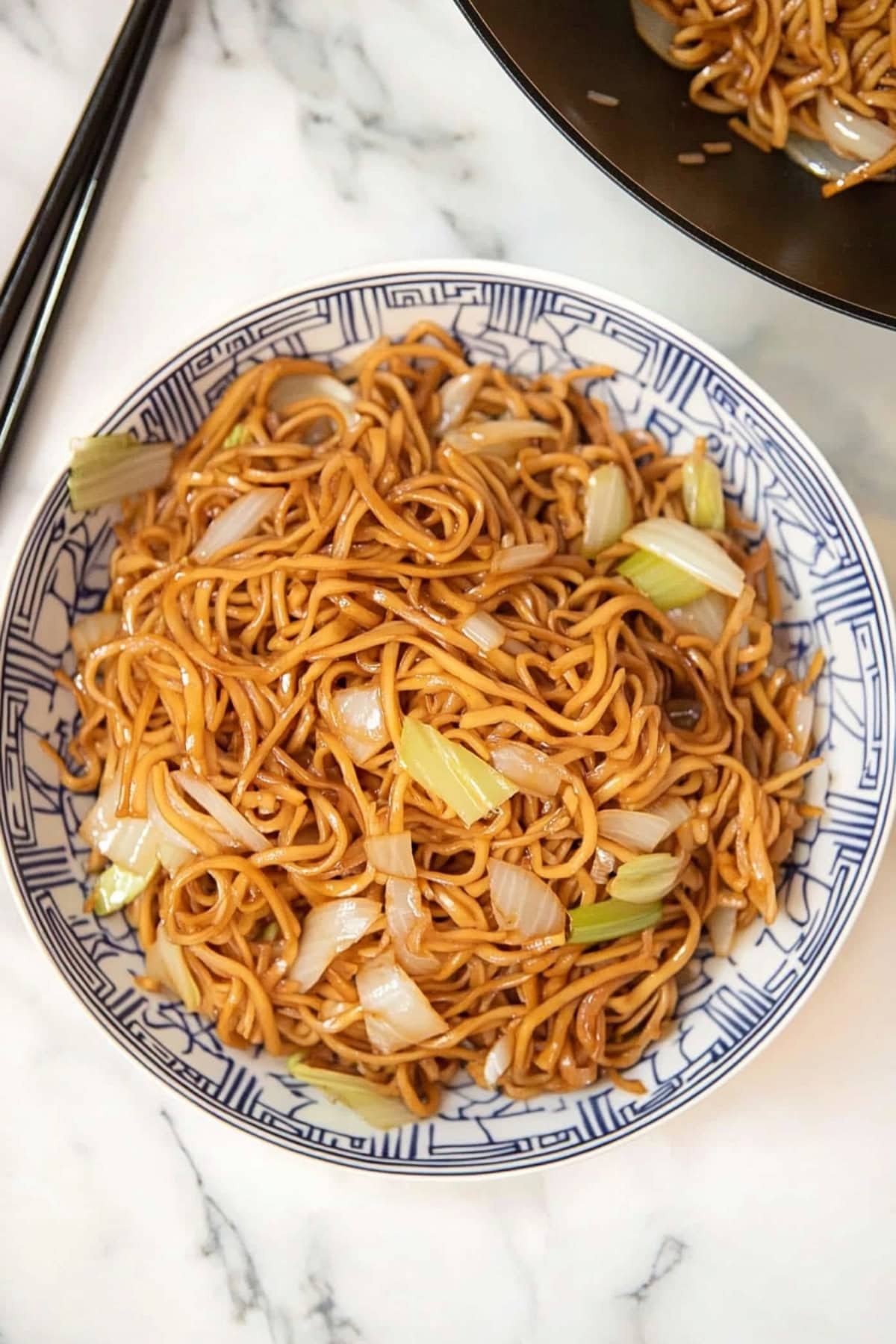
Tips for the Best Panda Express Chow Mein
Want to ensure this chow mein is restaurant-quality every time? Check out these tips.
- Put in the prep work. Chop all the vegetables and prepare the sauce before cooking. Stir-frying is fast and leaves little room to pause for dicing vegetables.
- Fresh is best. For an authentic Panda Express flavor, opt for fresh chow mein or yakisoba noodles. (Found in the refrigerated section of many grocery stores.) Also, slightly undercook them so they don’t become mushy when stir-fried with the sauce.
- Heat up the wok/skillet. Make sure your wok or skillet is hot before adding the oil. This will ensure even cooking and a good sear on the stir-fry components.
- Don’t overcook the veggies! Keep the vegetables slightly crunchy by limiting their stir-fry time. Doing so preserves the texture and freshness.
- Make it spicy. Add Sriracha, chili flakes, or a drizzle of chili oil to the sauce for chow mein with a kick.
- Try tasty add-ins. Add proteins like cooked chicken, shrimp, or tofu for a more filling meal. Or toss in snap peas, bean sprouts, or carrots for extra veggies.
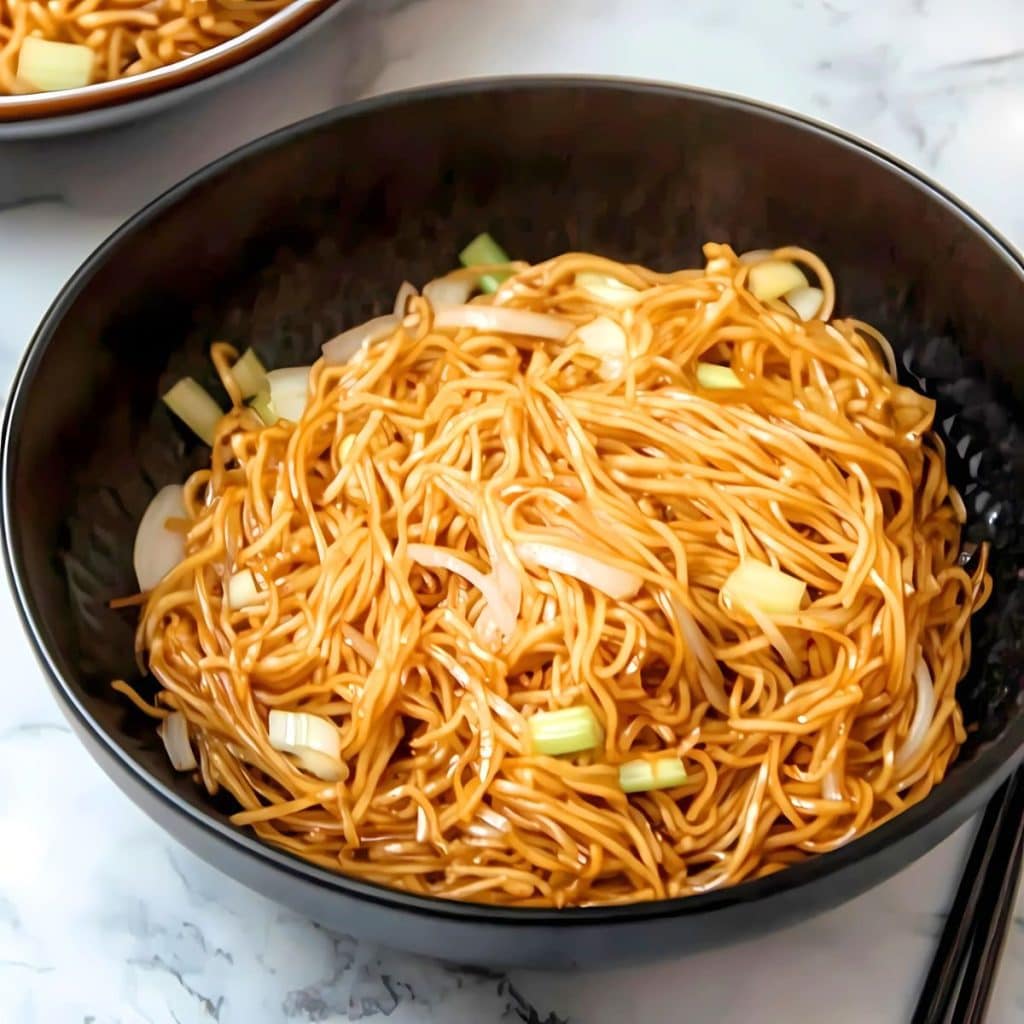
What to Serve with Panda Express Chow Mein
You can serve this delicious chow mein with any of your favorite Asian-inspired main courses. Or you can pair it with additional sides. Here are some of my favorite pairings:
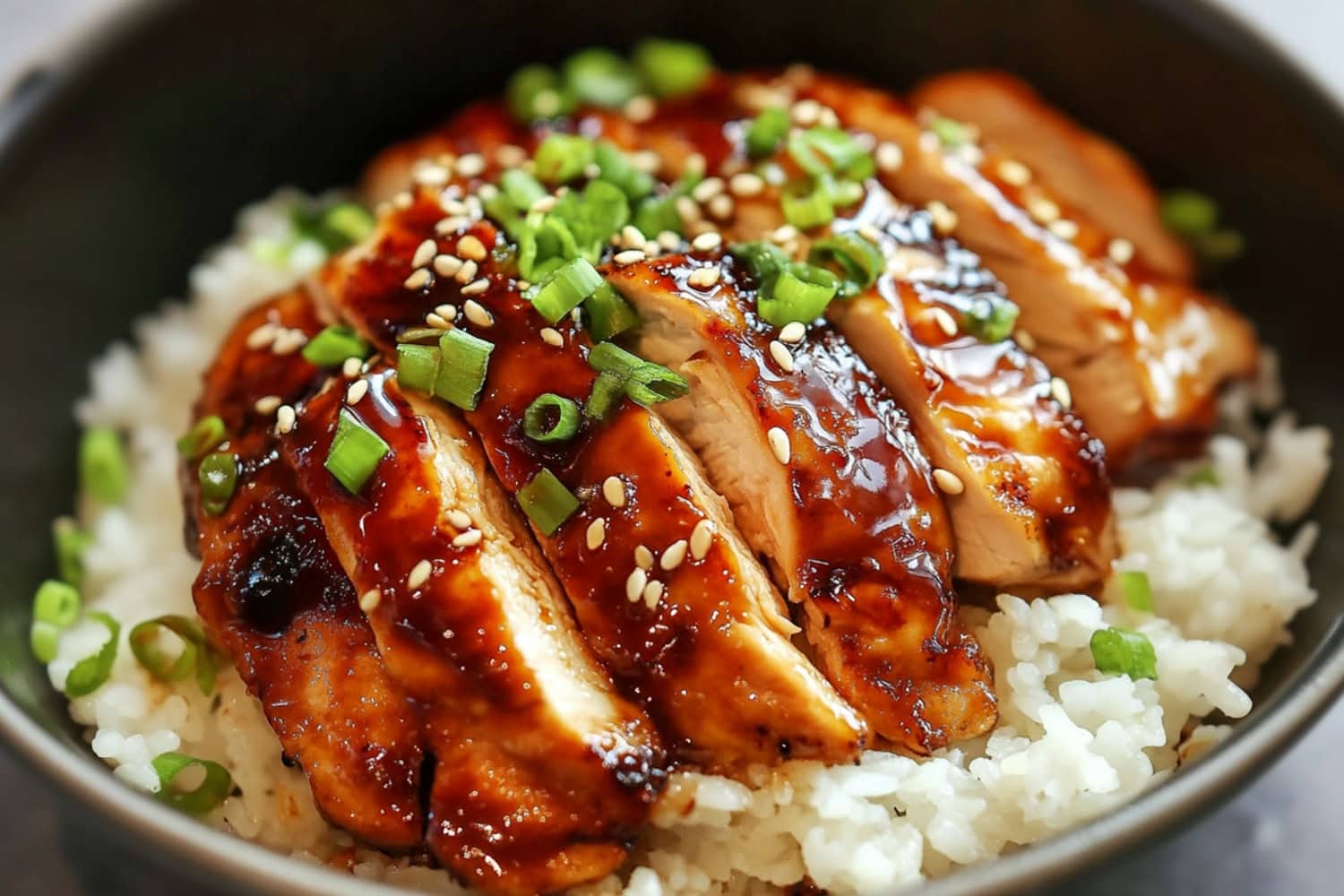
- Teriyaki chicken
- Egg or spring rolls
- Dumplings or potstickers
- Chinese soups
- Orange chicken
- Any of these copycat Panda Express recipes
How to Store
If you have leftover chow mein, keep it! It tastes good for several days after making it.
To Store: Allow the chow mein to cool to room temperature. Transfer it to an air-tight container. Store it in the refrigerator for up to 4 days to maintain freshness and prevent spoilage.
To Reheat: Reheat chow mein in a skillet or wok over medium heat. Add a splash of water or sauce to restore moisture and stir for 3-4 minutes. Or, microwave leftovers in a covered dish with a tablespoon of water for 2-3 minutes. Stir once halfway through.
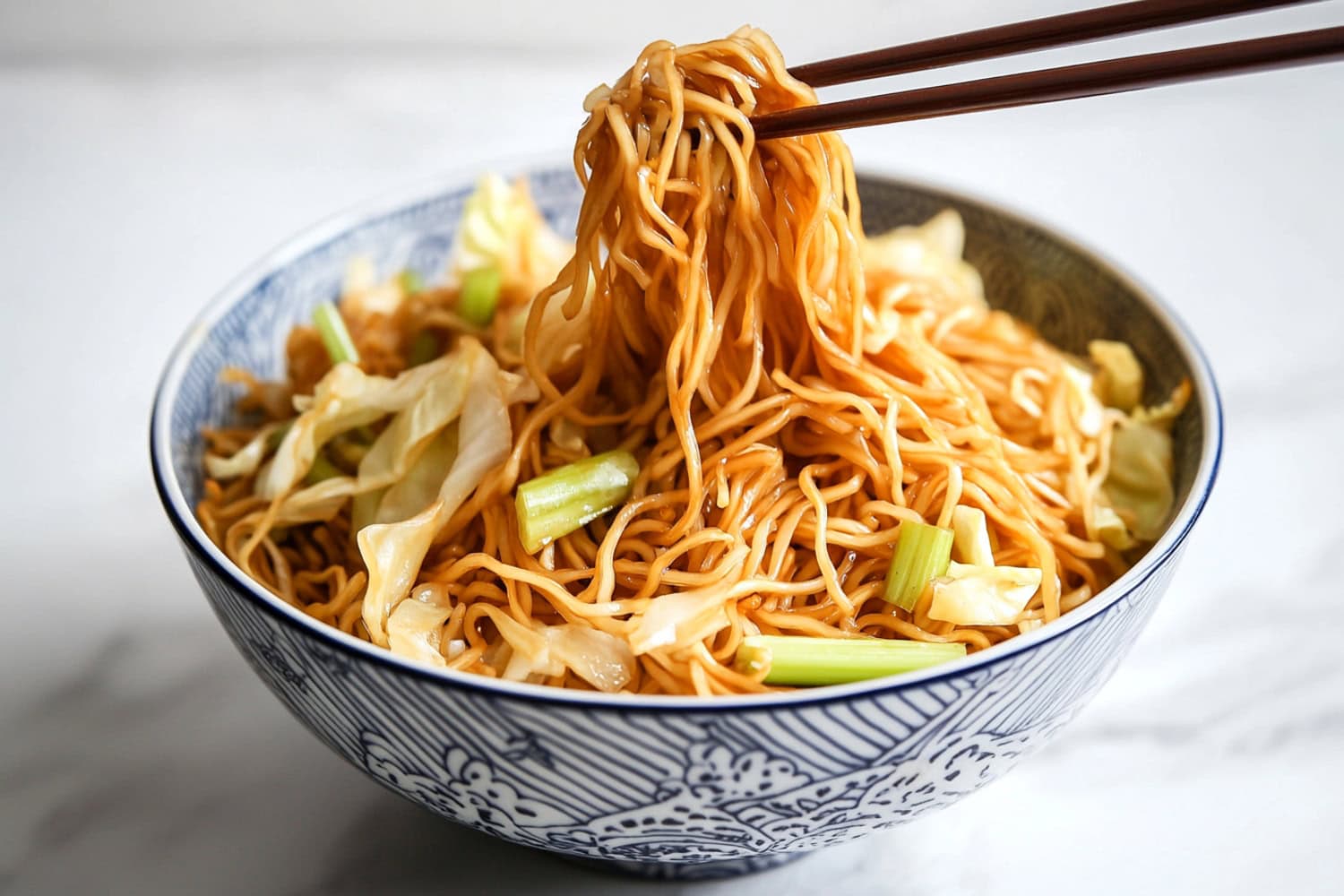
Panda Express Chow Mein
This copycat Panda Express chow mein is just as good as the real deal! Skip takeout tonight and make this traditional Chinese dish at home.
4
servings15
minutes10
minutes139
kcalIngredients
- For the Sauce
1/4 cup soy sauce
1 tablespoon oyster sauce
1 tablespoon brown sugar
1 teaspoon sesame oil
1/4 teaspoon white pepper
- For the Chow Mein
12 ounces fresh chow mein (or yakisoba) noodles
3 tablespoons vegetable oil
1/2 cup onion, thinly sliced
1/2 cup celery, diagonally sliced
2 cups cabbage, thinly sliced
2 cloves garlic, minced
1 teaspoon fresh ginger, grated
Instructions
- In a small bowl, whisk together the sauce ingredients: soy sauce, oyster sauce, brown sugar, sesame oil, and white pepper. Set aside.
- Bring a large pot of water to a boil. Cook the noodles according to package instructions, but undercook them slightly. Drain and rinse with cold water to stop the cooking process. Set aside.
- Heat vegetable oil in a large wok or skillet over medium-high heat. Add onions and celery, stir-frying for 1-2 minutes until the onions start to become translucent.
- Add cabbage to the wok and stir-fry for an additional minute.
- Push the vegetables to one side of the wok and add minced garlic and grated ginger to the empty space. Stir-fry for about 30 seconds until fragrant.
- Add the cooked noodles to the wok and pour the prepared sauce over them. Toss everything together, ensuring the noodles and vegetables are well-coated with the sauce.
- Continue to stir-fry for 2-3 minutes. Or until the noodles are heated through and have absorbed the sauce.
- Taste and adjust seasonings if needed. Remove from heat and serve immediately. Enjoy!
Notes
- For an authentic Panda Express flavor, look for fresh chow mein noodles in the refrigerated section of your grocery store. Yakisoba noodles are a good substitute.
- Don’t overcook the vegetables. They should retain some crunch for the best texture.
- This dish is best served immediately, but leftovers can be stored in an airtight container in the refrigerator for up to 4 days.
- Thoroughly preheat the wok or skillet before adding the oil.


3 Comments
Love this recipe. The ingredients blend together nicely.
Each bite held a different flavor. Just wonderful right here at home!
missing some amounts: how many Tablespoons oil? How many cups of cabbage?
Hi Michelle!
Sorry about that!
I’ve amended the recipe with the amounts 🙂